

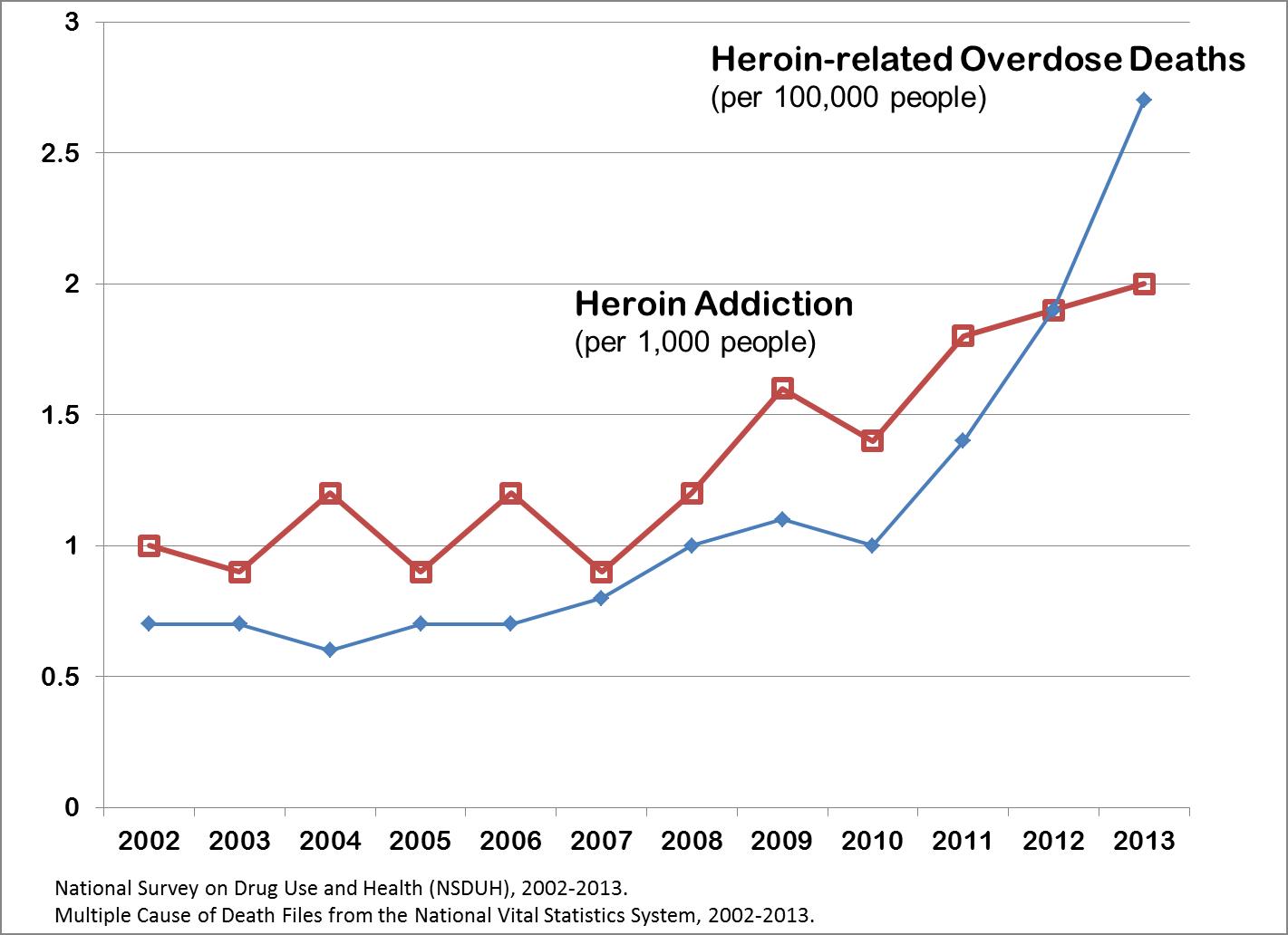
Heroin addiction has spiraled into every part of American society. Just months ago, the CDC reported that the rate of deadly heroin overdoses nearly quadrupled between 2002 and 2013[1]. The stories are increasingly common: former classmates, coworkers, close friends, family members and personal experiences. We hear: ‘How did this happen? He was such a happy person,’ or ‘She was not that kind of person.’ As these statements become increasingly common, one begins to question whether ‘that kind of person’ really exists.
To avoid being cast as “that type of person,” personal and familial experiences with addiction are often communicated in hushed voices, spoken as shameful secrets only to those most trusted. Current and former drug users as well as their family members often cite societal stigma surrounding drug addiction as a major concern when seeking treatment or support. The effects of the stigma range from gossip to discrimination by employers and are particularly harmful because they encourage shame, social alienation and depression, which perpetuate the likelihood of drug use and hinder treatment and recovery.
However, the stigma surrounding heroin addiction (and addiction in general) is rapidly changing as the range of affected demographics and geographic regions expands. In the seven years between 2006 and 2013, the number of first-time heroin users nearly doubled from 90,000 to 169,000[2]. Unexpectedly, the greatest increases have been associated with middle-income individuals and women.
 If the widespread use of heroin has any positive side, it might be this: people of different races, socioeconomic statuses, and cultures are being humanized to the realities of drug addiction. Historically, heroin was mainly pervasive in poor communities, and it was all too easy for individuals in affluent, segregated neighborhoods to assume untrue stereotypes about drug addiction. Now, no community has escaped the scourge.
There are positive examples of how attitudes toward drug addiction are changing. According to a Congressional Service Report released in August[3], most states have chosen to opt out of or modify the federal ban that prevents drug felons from receiving benefits in TANF (temporary assistance for needy families) and SNAP (supplemental nutrition assistance program). The federal ban (often called the ‘Gramm Amendment) was part of a trend in the 1980s and 1990s to impose punishments beyond incarceration onto drug offenders. The move away from these harshly punitive measures is crucial for enabling recovery, particularly considering the challenges faced by drug felons reentering the work force. Researchers in the field have clearly demonstrated the improved results of treatment as opposed to incarceration[4], as well as highlighting specific guidelines[5] for reducing restrictions and financial barriers to treatment for addiction.

In addition to changes in law, there is evidence of a change in social attitudes toward addiction. A piece in the New York Times[6] recently reported on an increasing trend: obituaries are more frequently publicly disclosing heroin as the cause of death. Whereas drug-related deaths have conventionally been listed as ‘died at home’ or ‘died unexpectedly’, citing drug overdose as a cause of death is increasingly common. While shocking to some, this openness may provide something crucial for the loved ones of those who passed, living addicts, and society; in a sense, this public disclosure looks the stigma in the face and refuses to submit to it. These anecdotal stories also humanize drug addiction, which is crucial for instigating a change in society’s attitude toward the issue.
While the attitudes show some signs of changing, the stigma still persists and has negative effects. With the rapid increase in heroin use, treatments such as methadone maintenance treatment (MMT) are sorely needed. However, research has shown that one of the biggest issues that limits the success of MMT is the public nature of the treatment[7]: addicts must report daily to the facility, and this public exposure is considered a main deterrent to treatment. Thus, while there may be signs of change, the stigma is still very real and devastating.
The realities and effects of devastating drugs such as heroin are all around us, and they are not limited to any single group of people. Fact-based discussions about the drug and its effects are crucial, but the most important results come when individuals immediately affected by addiction speak openly about their experiences. These acts of courage provide tremendous comfort to those who are suffering silently while helping outsiders understand by humanizing the experience of drug addiction. Ultimately, as the realities of heroin use become less deniable (and more visible), the spectacle of addiction may become less unusual, less frightening, and thus, less stigmatized.
[1] Multiple Cause of Death Files from the National Vital Statistics System, 2002-2013
[2] National Survey on Drug Use and Health (NSDUH), 2002-2013
[3] https://www.fas.org/sgp/crs/misc/R42394.pdf
[4] Nosyk, B. et al. (2013) American Journal of Epidemiology: 177(7), 675-682.
[5] Nosyk, B., et al. (2013) Health Affairs, 32(8): 1462-1469.
[6] http://www.nytimes.com/2015/07/12/us/obituaries-shed-euphemisms-to-confront-heroins-toll.html
[7] Anstice, S., et al. (2009) Substance Use & Misuse 44 (6): 94-808.