
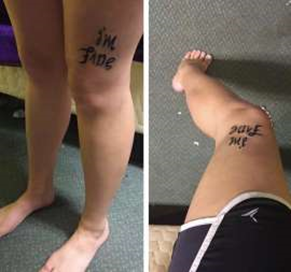
Last week, a woman’s Facebook post of her tattoo went viral. Bekah Miles’ ink reads “I’m fine” to anyone who sees it; but what she sees is “save me.” Accompanying the picture was a post that read –
“Today, I am coming out with something that only few of you know. I am ready to have a conversation about my mental illness,” she wrote. “To me, depression is the days that I feel sad for no reason. Depression is the mornings that I don’t feel capable of getting out of bed. … Depression is the tears I have because I don’t know why I feel so worthless, when I know I should feel happy.
“This is one of the most difficult things to open up about because it’s extremely hard for me to feel vulnerable… but this needs to be talked about,” she wrote. “Mental illness is serious, but so shamed in our society. We care so much for our physical health, but hardly a thing about our mental state. And that is seriously messed up.”
Eventually, people will feel sad; it is a normal human emotion. Whether it is a death in the family, a broken relationship or loss of a job, sadness will result from those events. That sadness may last for a couple days to weeks depending on what had happen in a person’s life. People handle tragic events differently, and their coping with it will also differ. But what if that sadness doesn’t go away? What if your mood is so low, it affects your day-to-day responsibilities? Is this just a grieving period or is it something deeper?
If you have five or more of these symptoms for two weeks or more, you could have clinical depression and should see your doctor or a qualified mental health professional for help:
- Persistent sad, anxious or “empty” mood
- Sleeping too much or too little, middle of the night or early morning waking
- Reduced appetite and weight loss, or increased appetite and weight gain
- Loss of pleasure and interest in activities once enjoyed, including sex
- Restlessness, irritability
- Persistent physical symptoms that do not respond to treatment (such as chronic pain or digestive disorders)
- Difficulty concentrating, remembering or making decisions
- Fatigue or loss of energy
- Feeling guilty, hopeless or worthless
- Thoughts of suicide or death
If you are uncertain whether you may be suffering from depression, screening tests can be done to assist you to make the decision to seek professional help. http://depression.about.com/cs/diagnosis/l/bldepscreenquiz.htm
If you have depression, your doctor can prescribe antidepressants, and you can make an appointment with a therapist or mental health professional. Most people with depression feel better with medication, counseling or both.
Depression is a serious disorder that can take a terrible toll on individuals and families. It often gets worse if it isn’t treated. Untreated depression can result in emotional, behavioral and health problems that affect every area of your life, such as:
- Excess weight or obesity
- Pain and physical illness
- Alcohol or substance misuse
- Anxiety, panic disorder or social phobia
- Family conflicts, relationship difficulties, and work or school problems
- Social isolation
- Suicidal feelings, suicide attempts or suicide
- Self-mutilation, such as cutting
If you or someone you know needs help, call 1-800-273-8255 for the National Suicide Prevention Lifeline, or visit http://www.suicidepreventionlifeline.org/ for more information. If you think you may hurt yourself or attempt suicide, call 911 immediately.
http://www.mentalhealthamerica.net/conditions/depression#depression
http://depression.about.com/cs/diagnosis/l/bldepscreenquiz.htm