
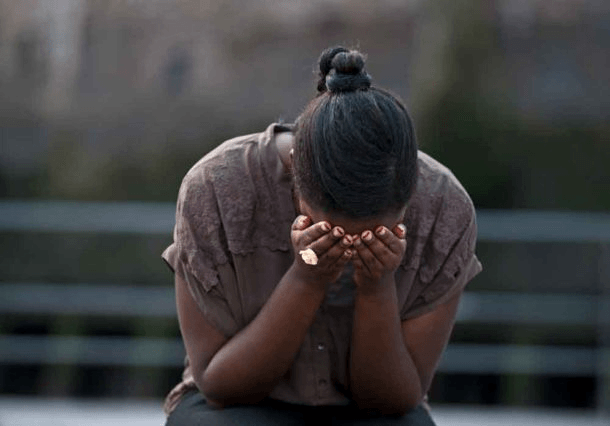
As of today, every darker-skinned black woman I have met has expressed some sort of former feeling of inadequacy due to the color of their skin.
Despite them coming from different walks of life, their woeful tales have all shared chronological similarities. They were all once care-free little girls who didn’t think a bit about their shade– “Is my skin too dark?” is a question that never orbited their minds –and then as they grew older, either from their own family members or peers, they were made aware of society’s affinity for lighter skin complexions. They were called names and ridiculed into insecurity. “Is my skin too dark?” now seemed to be the only question regarding physical appearance that orbited their minds. It wasn’t until later in their lives that they came to terms with their skin complexions, they had all told me, much later.
Colorism is a systemic issue that plagues the world as a direct result of racism. It is often overlooked or dismissed as myth and has been deemed a “taboo” subject by society– a society who seldom feels comfortable stepping out of its comfort zone. Though some argue that colorism can affect people of all skin tones, people who are darker skinned are known to bear the brunt of it.
 Those who are the unfortunate victims of colorism know how it can impact one’s mental, physical, and emotional well-being. According to Susan L. Bryant in the Columbia Social Work Review, “Black women are particularly vulnerable to the effects of European standards of beauty, because these standards emphasize skin colors and hair types that exclude many black women, especially those of darker skin.” [1] Dark-skinned black women are subjected to the incessant perpetuation of a beauty standard that they do not and cannot conform to, which– as is later mentioned in the essay –can lead to intense self-hatred, body dysmorphia, depression, and eating disorders.
Colorism is literally tearing apart black women from the inside out. Black women, especially those of darker complexions, do not deserve to feel any less than decent because of negative, colorist and racist comments from average people and the vivid pictures of Eurocentric beauty standards flashed on television and social media.
We, as a collective society, must open our eyes to the suffrage colorism induces. We cannot continue to dismiss those who speak up about it. We cannot continue to ignore it– walk right past it with our eyes wide shut. Because no one deserves to feel badly because of something they cannot control.
[1] Bryant, Susan L. “The Beauty Ideal: The Effects Of European Standards Of Beauty On Black Women.” Academic Commons, 1 Jan. 1970, academiccommons.columbia.edu/doi/10.7916/D8DF6PQ6.